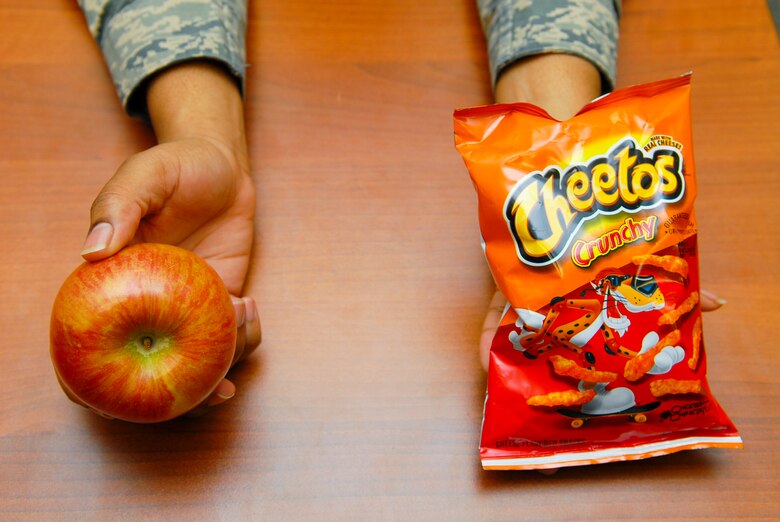
Have you ever pulled an all nighter for either work or exams and found yourself reaching for chocolate or donuts? Sleep deprivation has marked effects on food intake, influencing your food choices toward energy-dense options leading to weight gain.
Latest research published in elife might have the answer to why this is. Sleep loss influences the same smell-processing neural pathways that smoking marijuana does! Lack of sleep seems to have an effect on the endocannabinoid system (like marijuana does), a complex network of molecules in the nervous system that controls biological processes such as appetite .
We all eat food which appeal not only to our eyes but also to our noses. Recent experiments indicate that in rodents, endocannabinoids enhance food intake by influencing the activity of the areas in the brain that process smell. However, it is still unclear whether the brain regions that process odors play a similar role in humans.
No one had previously established a link between the endocannabinoid system, sense of smell and appetite in humans. In this study Thorsten Kahnt, a neurologist from Chicago, Illinois might have found the link. The researchers examined the impact of either a 4-hours or 8-hours a night’s sleep on 25 healthy human volunteers. Four weeks later(to help in recovery), the volunteers repeated the experiment, but those who slept 4 hours during the first round slept 8 hours, and vice versa. The following evening, the volunteers provided blood samples. Blood analyses showed that after a short night, individuals had increased amounts of a molecule called 2-oleoylglycerol, which interestingly is part of the endocannabinoid system.
When sleep-deprived people were given the choice to eat whatever they wanted(in a buffet style), those with greater levels of 2-oleoylglycerol (sleep deprived individuals) preferred food higher in energy. The researchers also did MRI brain scans of the volunteers’ to examine whether these changes were connected to modifications in the way the brain processed smells. They found that in people who did not sleep enough, an odor-processing region called the piriform cortex was encoding smells more strongly. In other words, sleep deprivation enhances your sense of smell.
The piriform cortex is connected to another region, the insula, which integrates information about the state of the body to control food intake. Lack of sleep altered this connection, and this was associated with a preference for high-energy food. They also concluded that alterations in the amounts of 2-oleoylglycerol were linked to modifications in the connection between the two brain areas. What is still unknown is how the two regions of the brain communicate as in which region talks and which listens?
Another interesting finding was that effects of sleep deprivation on eating behaviour, persisted even into the next day, with a higher percentage of calories consumed as fat, indicating that a single night of restricted sleep can have relatively long-lasting effects on food choices.
Take Home: This study shows that sleep deprivation affects our sensory processes by activating the endocannabinoid system. Lack of sleep enhances our sense of smell and makes us reach for those high calorie foods. So next time you crave for that donut or chocolate, stop and think about your sleep schedule.
Learning more about how sleep deprivation affects brain pathways and food choice may help scientists to develop new drugs or behavioral therapies for conditions like obesity and eating disorders. It would be interesting to see how a person’s sense of smell changes throughout the day and how that might contribute to what we eat and how much we eat!
 cuppascience